Myopia - So What?

[!info] This is the second in a series of posts about the epidemic of myopia (nearsightedness), my personal experience with it, and what people are doing about it. The first part is "Myopia - The Long Problem"
You may be inclined to say, "so what if your glasses prescription needs to be stronger? Just get new glasses." This misses the point. I've heard myopia described by Dr. David Kading OD on his Myopia Podcast as something like "an eye disease whose symptoms include blurry vision, elongated eyes, and a highly increased risk of further vision impairment issues." This is in addition to the quality of life issues that come with needing to wear correction, such as inability to legally drive without spectacles or contacts, exclusion from professions like first responders and military, reduced self-esteem and participation in physical activities, lowered visibility in dusty or rainy conditions, cost of corrective lenses and eye care visits etc.
And regarding increasing prevalence, as mentioned, rates have risen dramatically over the past 50 to 100 years. That same Atlantic article mentioned in the first part: "In China, myopia is so prevalent that it has become a national-security concern: The military is worried about recruiting enough sharp-eyed pilots from among the country’s 1.4 billion people" and the same is true for Taiwan.

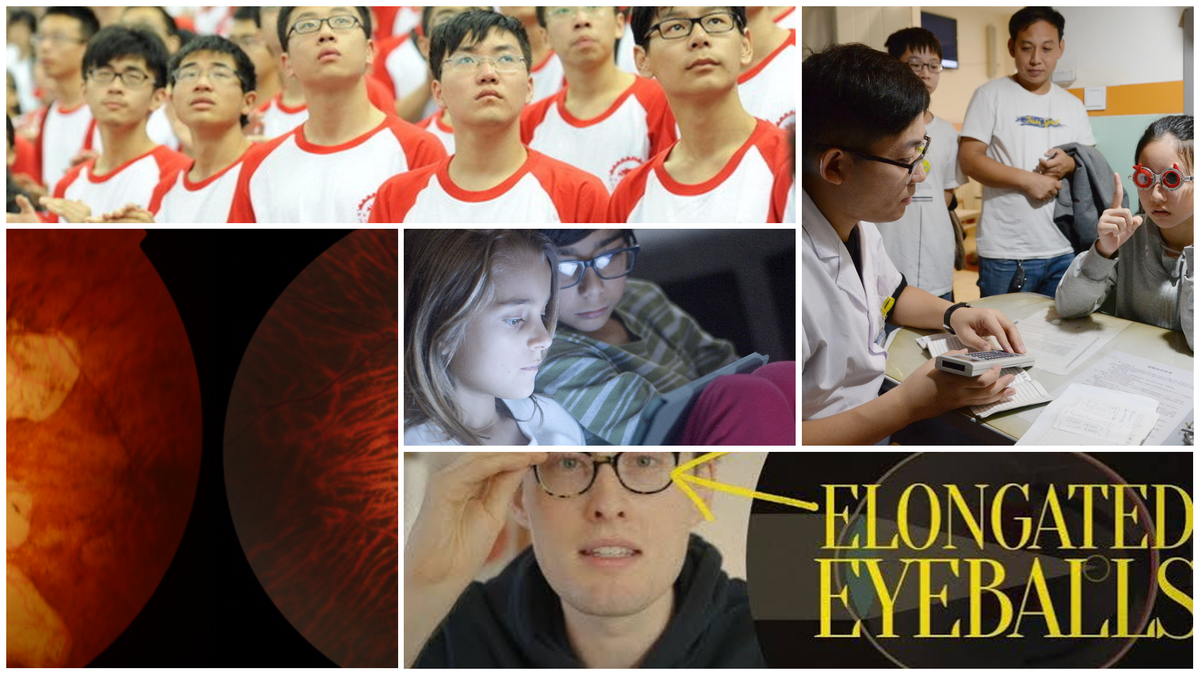
Take a moment and you'll start to notice how many people are wearing eyeglasses in this Taiwanese rally.
the nonlinearly increasing risks
The risks Dr. Kading and his colleagues refer to are best highlighted and stick in my mind most clearly with a diagram from a 2020 meta-analysis of visual health impacts by eye length. Axial length is the term for eye length, back to front. You can see that, at longer axial eye length the risk of substantial visual impairment rises rapidly, especially as age increases. As life expectancies increase, this is a more substantial issue. So for example, For people with normal eye lengths, or very small amounts of correction, the risk of substantial impairment, even over age 70, stays well below 1 in 10. For high levels of correction (my own category), It can be more like 1 in 5 or 1 in 4. And in a slightly worse category, it may jump to more like 1 in 3 or even 50/50. For the longest eyes, visual impairment seems almost certain.
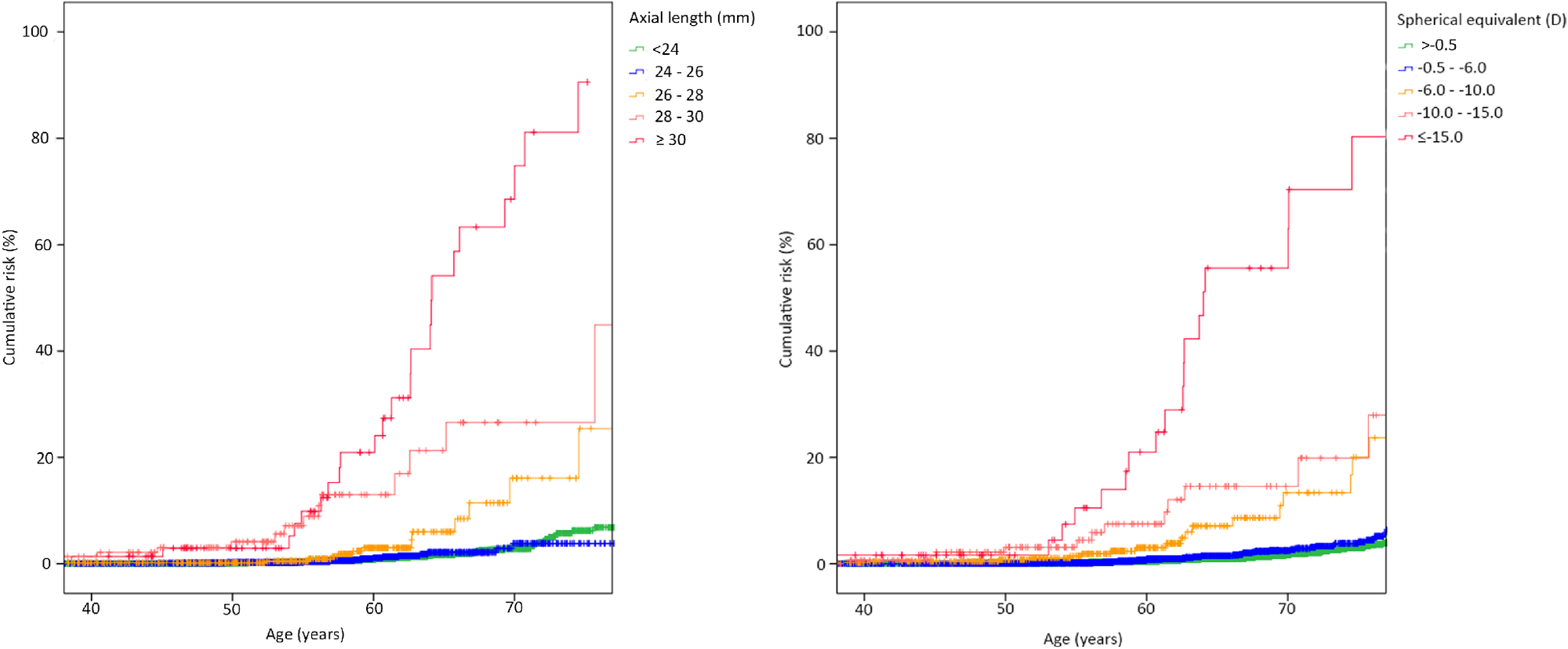
From this source, captioned as *Kaplan–Meier curve of the cumulative risk of visual impairment with increasing age per category of AL (left) and SER (right). Reproduced with permission from Tideman JL, Snabel MC, Tedja MS, et al. Association of axial length with risk of uncorrectable visual impairment for Europeans with myopia. JAMA Ophthalmol. 2016;134:1355–1363.
These are conditions like glaucoma, early catarct formation, retinal detachment. Retinal tissues are the ones at the back of the eye that receive light and turn them into visual signals for transmission to the brain. There's a variant of macular degeneration that affects only nearsighted people called myopic macular degeneration. It is where the eye becomes so long, that the strain on the stretched retinal tissues is too much, and they tear apart.
As for retinal detachments, estimates for likelihood in the normal population are around 1 in 20000, an extremely rare event. However for highly myopic people. this risk has been estimated at 1 in 200 or even 1 in 20! That is the difference between death by asteroid impact and rolling a 1 (critical fail) while playing dungeons and dragons.

photo by NASA Hubble Space Telescope and Lucas Santos, Unsplash
Another comparison: for most people a retinal detachment is more in the neighborhood of getting struck by lightning, and for people with high myopia, it's more likely than getting pancreatic cancer
why don't we hear about this more?
Estimates put prevalence of the riskiest categories, high myopia (various definitions, usually defined as worse than -6.0 D of correction) around 3% of people and up to around 10% by 2050 .
Let's put that in context a bit, compared to other issues you may have heard about in the news. This is not necessarily to say that discussion of any of these is zero-sum, and talking about one comes at the expense of others. Nor is it to address the severity or intensity. Some of that can be subjective, and some of it can be objective, for example conditions I mention that contain constant daily pain or are fatal. What remains is that high myopia, like many disorders, maladies, and identities, seems underdiscussed and underreported - the number of stories in major outlets number in the single digits. Here are some other commonly discussed or well-attended items with similar prevalence rates.
- Autism: less than 3%, there is now an industry devoted to addressing the issues around this
- transgender: less than 1% Major news outlets had 100s of stories about related topics
- celiac / gluten intolerance: 1-2% , every grocery store has a gluten-free section
- parkinsons, .29%: (1 million in the US, out of about 349 million)
- peanut allergy: 2.9% peanuts not allowed on planes
- borderline personality disorder .7% to 2.7% a somewhat common topic of podcast discussion, and an object of interest amongst famous and infamous people
- similar for bipolar disorder, including recognition in celebrities
- laboratory-confirmed or suspected cases of cyclosporiasis this year at about .005% of the US population
- NFL player salaries and labor issues: 0.000716% of the US population, entire publications devoted to this kind of thing
The point may be that these are all things that are worth investigating and addressing to improve lives. Importantly I'll also add that though that list contains pathological items, I do not want to give the impression that everything in the list is considered a pathology, merely that the way some items are treated socially may come with quality of life implications. I'm sure there are entire publications and graduate programs devoted to what gets reported and what doesn't.
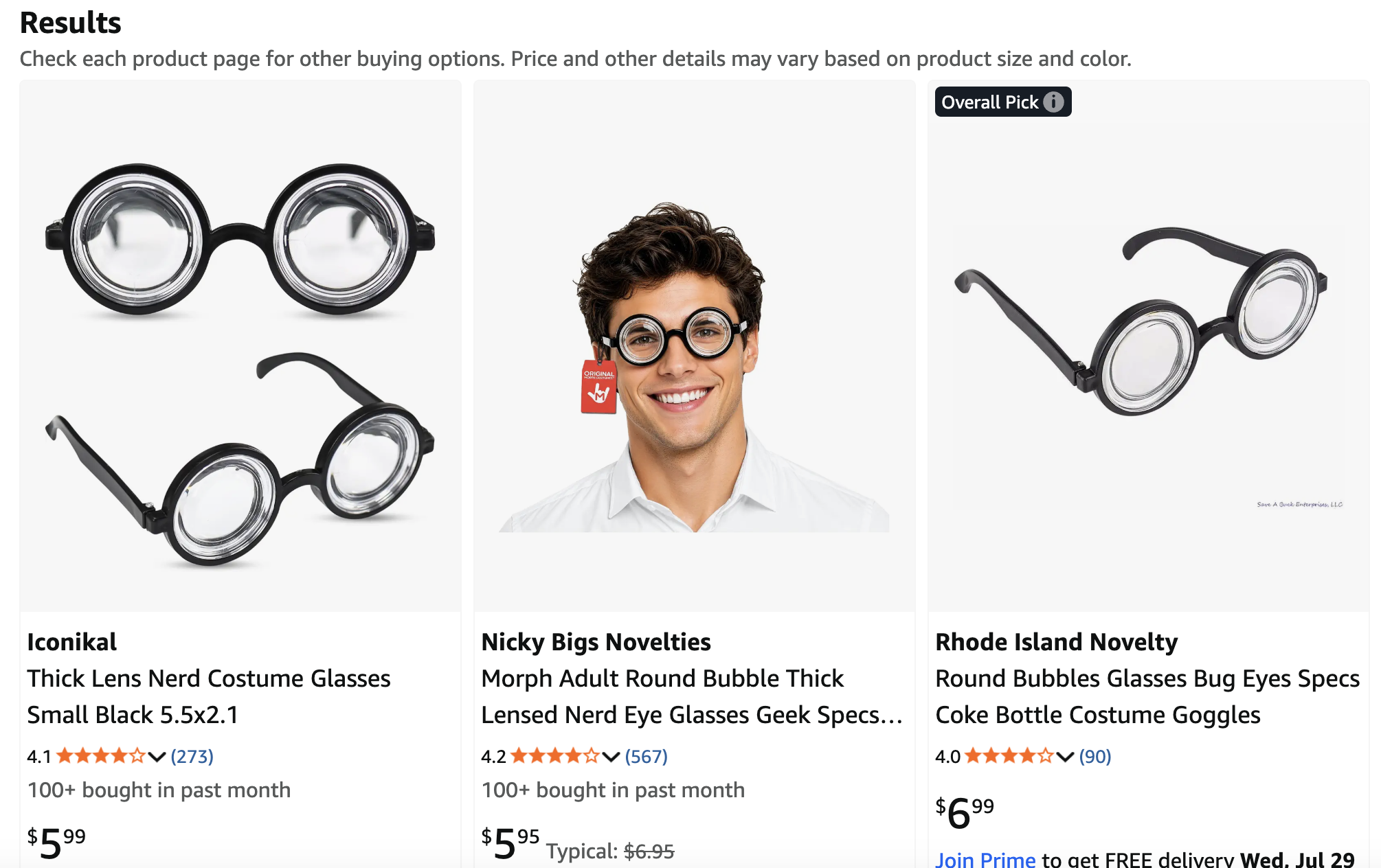
I don't have a great answer for why myopia and high myopia are not discussed more, or at similar rates to some of these other well-known items. If I had to speculate I might say that high myopia appears on the surface similar to low-grade myopia. Low-grade myopia is much more common, and may have better quality of life. For example, people like myself are not legally permitted to drive without corrective lenses, but people with lower grade myopia may be allowed. But even the lack of attention to low-grade myopia is coupled to the outdated perception that myopia stabilizes early in life and cannot progress to higher levels. Also perhaps a lack of understanding of the quality-of-life drawbacks to even low-grade myopia. Another thought is that myopia is correlated to education, and so may be correlated to perceived high status. Yet another guess is that prevalence rates have risen rapidly enough that discussion hasn't caught up - similar trends likely occurred in recent decades with several of the items mentioned above. Still, the lack of seriousness remains, as visible with those mocking "joke" costume eyeglasses you can occasionally see in public
real life stories
For some anecdotes of people affected by high myopia-assoicated pathologies, you can turn to:
- this person, who had a retinal tear in her thirties
- a disney superfan and digital accessibility advocate who suffers from myopic macular degeneration
- possibly Stephen King, a high myope his whole life who now has macular degeneration and vision impairment (also mentioned here)
- This professor of epidemiology and advocate for disability inclusion who was diagnosed with myopic macular degeneration
- this crochet enthusiast who raises awareness of MMD with her videos
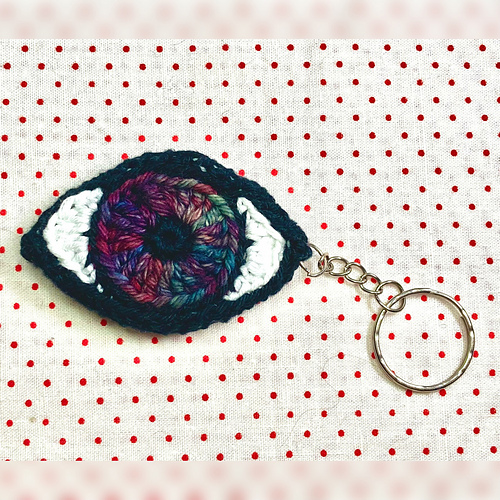
you can purchase Marie's crochet pattern to fight MMD here
why not laser surgery?
You may also say, what about laser eye surgery? LASIK, PRK, SMILE and other refractive surgeries do not treat the underlying issue, they only mask it. They usually alter the front of the eye in some way to essentially permanently embed a corrective prescription, but do nothing regarding the length of the eye so all axial length related issues remain. Additionally, in high myopes like myself, when the eye is elongated the cornea (the portion usually altered by laser eye surgeries) becomes thin. So much so that it there is not enough tissue there to alter, so corrective laser surgery becomes impossible.
but isn't it genetic?
You also might ask or insist that myopia is solely genetic. The clinical trials for myopia control methods referenced elsewhere here have largely put this idea to bed. And going further back there are population studies that are being re-examined, such as the observations that younger inuit people have higher rates of myopia than older ones, possibly coincident with school attendance and a shift to indoor and services economy work.
There have been some genome-wide association studies that suggest a few correlated genes, but these may only apply to parts of the disease, such as susceptibility in the first place, or perhaps to what degree pathology will occur as the disease develops.
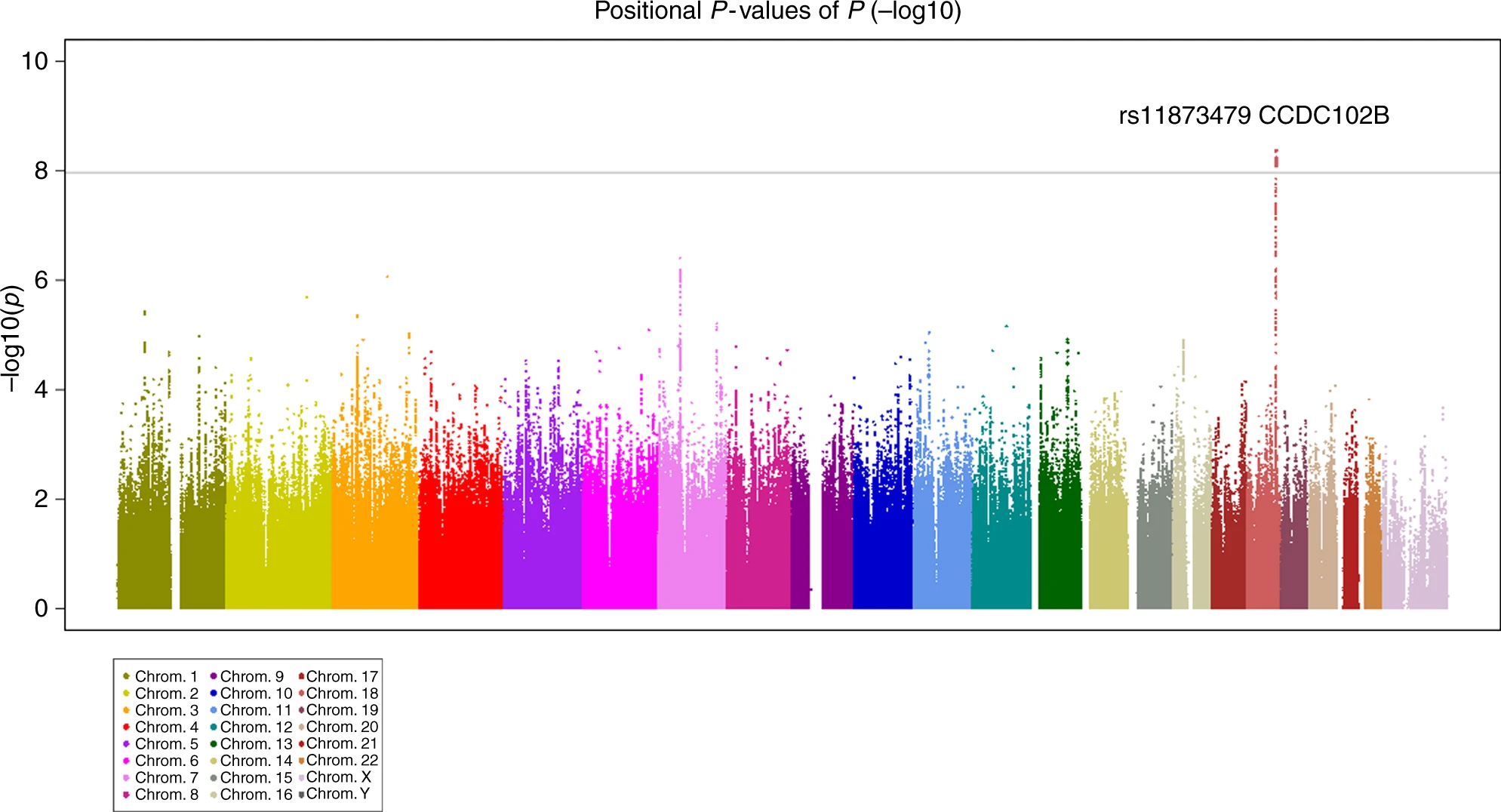
captioned from the source as: Manhattan plot of case-control GWAS on myopic maculopathy. Each plot shows −log10-transformed P values for all SNPs adjusted for age, sex, and axial length. The horizontal line represents the genome-wide significance threshold of 1.06 × 10⁻⁸. GWAS, genome-wide association study source
There is nothing to explain why successive generations are encountering higher rates, and more severely. And there is now evidence that shows that once myopia sets in, if treated, its progression can be slowed, resulting in children having less severe myopia than parents. The person with the retinal tear mentioned earlier is just one such example. You can find a narrative review on the clear evidence for environmental factors here and here. This article is a discussion about how prevalent genetics are in development, but both authors seem to agree that environment and lifestyle matter, and that myopia control treatments should be used.
In the next part, we'll get into some of the hypotheses put forth about causal mechanisms for how eyes get too long and develop maladaptively.
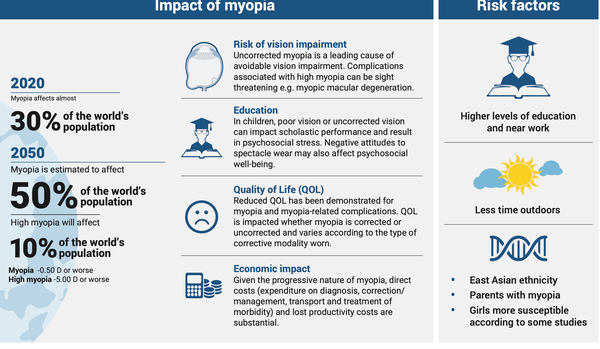
header images clockwise from left top: Chinese first year college students via China Daily, Chinese students receiving eye exams, header from a Vox media story on increasing myopia in america, fundus images of myopia-associated pathologies via Review of Myopia Management, children at a tablet by Kampus Production